LOVE GOD, LOVE OTHERS
Sunday services 10am

Sermon Audio

Blog

Contact
A FULLY FUNCTIONING BIBLICAL COMMUNITY
Fairfield Baptist is a friendly, welcoming multi-ethnic, multi-generational community of believers from all seasons and walks of life who meet together to experience the love and grace of Jesus Christ. We really enjoy having new people with us so if you are here visiting Hamilton; new to town and looking for a place to belong and worship; or are wishing to explore how to know God more and what the Christian faith is all about, we’d love to have you in our services.
Whatever the reason, we want you to feel welcome, refreshed and relaxed as you spend time with us.
Worship
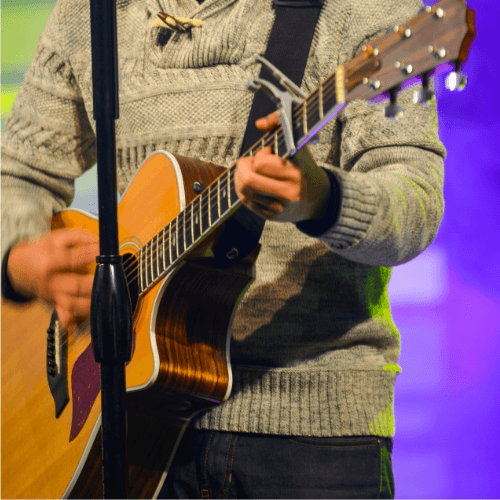
Come together with Hamilton locals every Sunday for heartfelt worship and faith-filled music.

Community groups
Share life, encouragement and prayer in small circles that feel like family.

Pastoral care
Find comfort and guidance during life’s challenges with support you can trust.
Events
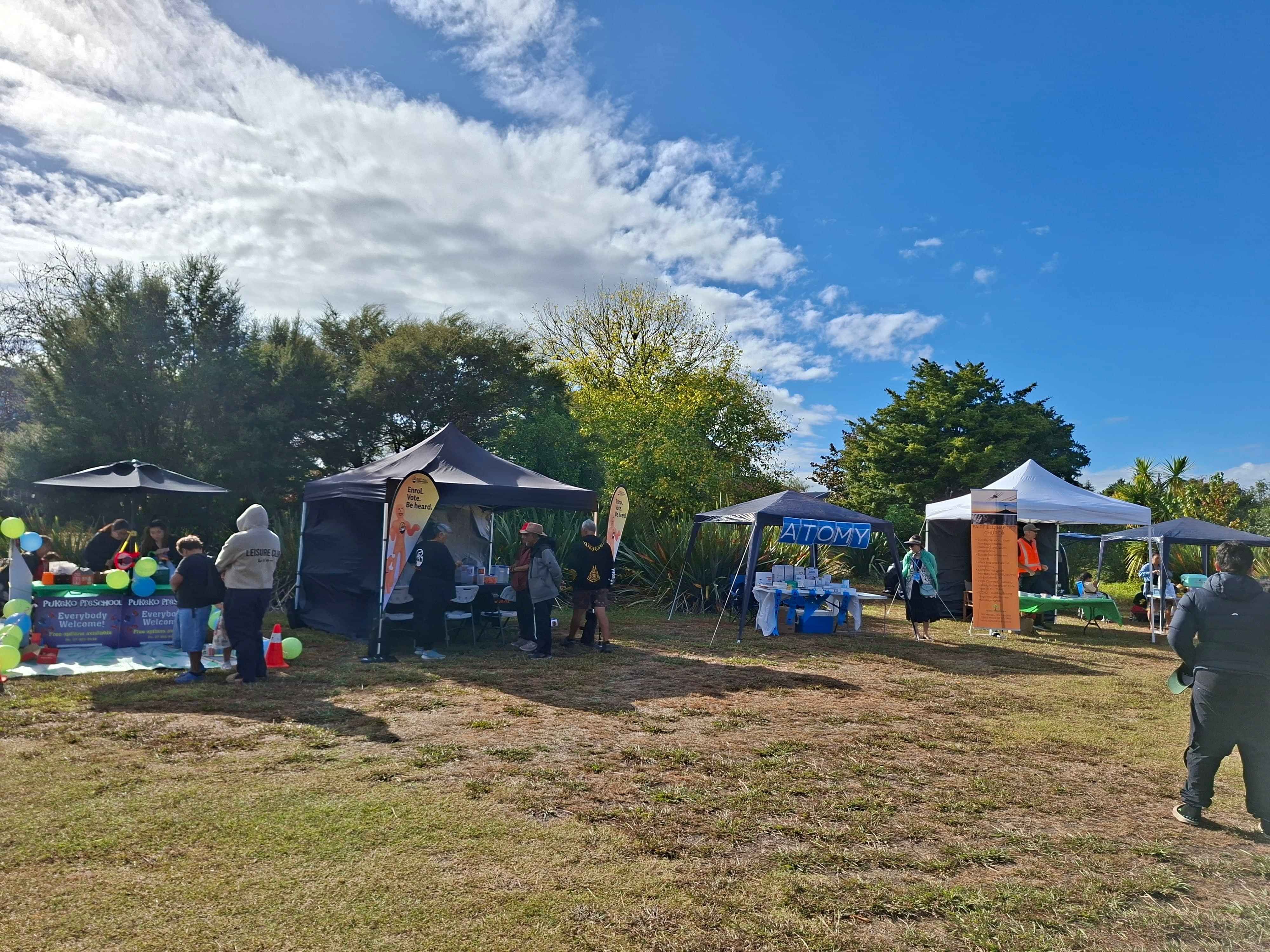
Take part in faith-based events that bring Hamilton’s community together all year round.

Bereavement support
Access a caring space for those facing suicide loss, with experienced, sensitive support.

Family programmes
Children and teenagers connect, grow and thrive through Fairfield Baptist activities.
FAQs
What happens when I arrive?
When you walk through the doors of Fairfield Baptist Church, expect a warm introduction right away. One of our friendly team will show you around, answer any questions, and help you get comfortable before the service or event starts. We want you to feel free to join in, observe, or just grab a seat and take it all in. Tea and coffee are offered after each Sunday meeting, giving time to chat and connect with others. Your visit can be as relaxed or as involved as you’d like.
Can I bring my children or family members?
Absolutely. We love welcoming families, children, and people of all ages to Fairfield Baptist Church. On Sundays, there are dedicated children’s programmes and a youth group, so everyone can find a space that’s right for them. During the service, kids (3-12 years old) worship with the whole church for the first 20 minutes or so and then go out to a program tailored for them. We love our children in the church service and don’t mind a bit of noise or wriggly tots. There’s plenty of room for prams and a relaxed space for those with young children as well. Everyone is invited to experience the welcoming, family atmosphere that’s so important to who we are.
Do I need to bring anything?
You don’t need to bring anything special at all—just yourself. There’s no expectation to wear a certain type of clothes; come in what makes you feel comfortable. If you have a Bible, you’re welcome to bring it, but that is optional. Tea, coffee, and friendly conversation are provided after the service, so stay and chat if you’d like. If you have accessibility requirements or need help with transport, contact us ahead of your visit and we’ll do our best to help. It’s all about making your first visit as relaxed and enjoyable as possible.
How can I get in touch?
Getting in contact is simple. If you have questions before you visit, please call us on 07 855 5469 or email office@fairfieldbaptist.co.nz. You can also hit the Plan Your Visit button at the top of the page. We’re happy to support every step of your journey to finding spiritual connection in Hamilton. Whether you have specific questions, need directions, or want to let us know you’re coming, we’ll always have time to respond. Reach out anytime and find out why many people in Hamilton call Fairfield Baptist Church their spiritual home.