
How Are You Spending Your Life? Faith, Love, and the Hope of His Coming
1 Thessalonians 3:9-13
How we thank God for you! Because of you we have great joy as we enter God’s presence. Night and day we pray earnestly for you, asking God to let us see you again to fill the gaps in your faith. May God our Father and our Lord Jesus bring us to you very soon. And may the Lord make your love for one another and for all people grow and overflow, just as our love for you overflows. May he, as a result, make your hearts strong, blameless, and holy as you stand before God our Father when our Lord Jesus comes again with all his holy people. Amen.
Time has a way of catching us off guard. One moment you are a young student full of ambition and possibility, and the next you are standing at a reunion, decades later, wondering where it all went. The brevity of life has a way of sharpening our focus, of cutting through the noise and forcing us to ask the questions that actually matter. How are we spending our lives? What are we investing in? And when the final day comes, will we be ready?
These are not questions designed to produce anxiety. They are questions designed to produce clarity. Because the truth is, not everything we pour ourselves into will last. God, people, and His Word are the things that endure into eternity. Everything else fades. The sooner we orient our lives around what is eternal, the more purposeful and fruitful our days become.
The Direction of Your Gaze
There is a simple but profound principle at work in the Christian life: where you are looking is where you will go. al maturity is impossible without emotional maturity.
If your eyes are fixed on the chaos of the present moment, on the headlines, on your fears, on your circumstances, that is where your heart will settle. But if your gaze is lifted toward the coming of Christ, toward the eternal horizon, everything changes. Your priorities shift. Your decisions reflect a different set of values. Your life begins to take on a shape that points toward something greater than the temporary.
The early believers in Thessalonica understood this. They turned from idols, received the gospel with open hands, endured persecution, and continued to love one another and look forward to Christ’s return. They were not perfect, but they were oriented correctly. And the apostle Paul, writing to them, burned with a desire to see them grow even further in that orientation.
Three Subjects God Cares About
Paul’s prayer for the Thessalonians, recorded in 1 Thessalonians 3, reveals something striking about God’s priorities for His people. His ultimate vision was not simply that they would survive persecution or maintain their church attendance. He longed for their hearts to be established blameless in holiness at the coming of the Lord Jesus Christ. He wanted nothing less than transformed lives. And woven into that prayer are three areas that serve as a kind of spiritual report card for every believer.
Faith is the first. Faith does not end at the moment of salvation. It is the ongoing foundation of the Christian life. Scripture describes the righteousness of God as being revealed from faith to faith, and reminds us that the righteous shall live by faith. Faith is not a static possession but a living, growing reality. Like a seed planted in soil, it takes root and deepens over time. The question is what kind of soil our hearts are. Shallow soil produces a faith that crumbles under pressure. Deep, receptive soil produces a faith that holds firm through persecution, loss, and uncertainty. Growing in faith means pressing into the promises of God and allowing them to actually change how we live. It means applying the Word to the specific struggles and temptations of daily life, not just knowing it intellectually.
Love is the second. Paul prays that the Thessalonians would increase and abound in love for one another and for all people. And he connects this directly to the goal of becoming blameless. Love purifies. It takes the self out of the center and places others there instead. It is other-centered by nature, which is precisely why it makes us more like Christ. Ephesians 5 calls believers to walk in love as Christ loved us and gave Himself up for us. That kind of love is not sentimental. It is sacrificial. It is discerning. It looks at a neighbor, a colleague, a stranger, and asks not what is convenient but what is genuinely needed. Love with skin on, as it is sometimes called, is what the world around us is desperately hungry for. And it is through loving others that we are shaped more and more into the image of the One who is love Himself.
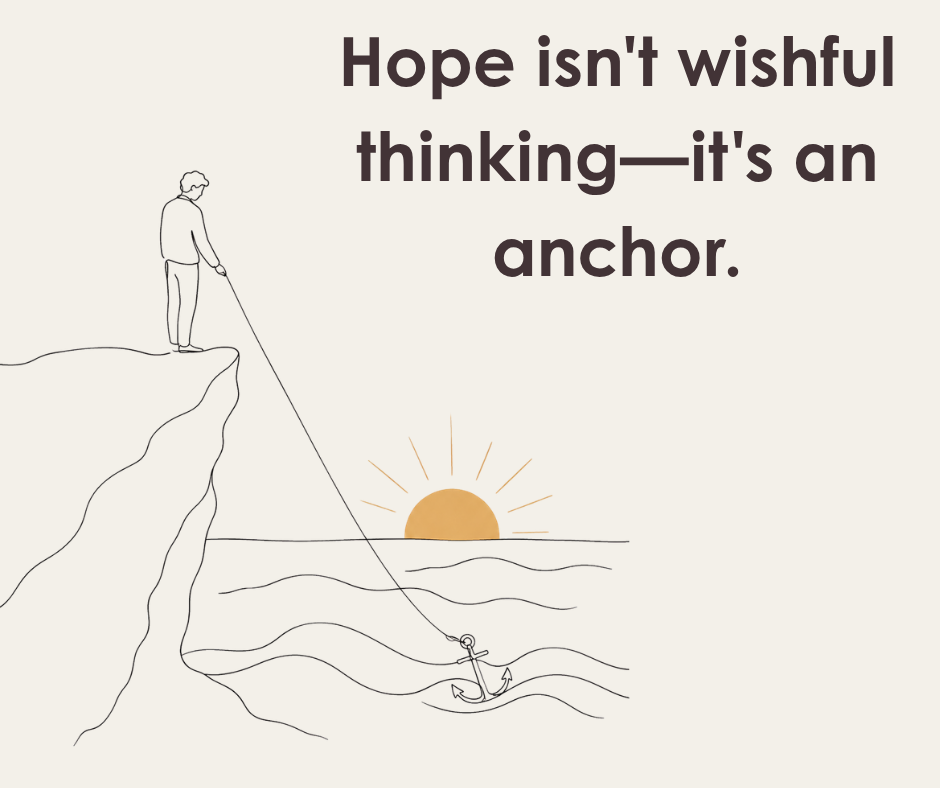
Hope is the third. The return of Christ is not a footnote in Christian theology. It is the destination toward which all of history is moving. The Scriptures, from the Old Testament prophets to the words of Jesus Himself, consistently and clearly point toward a day when He will return. Zechariah spoke of the One whom they had pierced. Isaiah described a child born and a son given, but also a coming kingdom of endless peace and justice. Jesus told His disciples plainly that He would come back. And 1 John reminds us that everyone who holds this hope purifies himself, just as He is pure. There is something about fixing our eyes on that coming day that produces holiness in us now. When we live with the awareness that we will one day stand before the One who sees everything, it reshapes how we use our time, how we treat others, and how seriously we take our own spiritual growth.
Becoming What We Were Saved to Be
Paul’s vision for the church was not a crowd of converts. It was a community of people becoming mature in Christ, presented before God holy and blameless. This is the same vision described in Ephesians, where Christ gave Himself for the church so that He might present her to Himself in splendor, without spot or wrinkle, holy and without blemish. This is what we were saved for. Not just to escape judgment, but to become like Him.
We are not there yet. None of us are. But we are in the process of being perfected, transformed from one degree of glory to another by the Spirit of the Lord. The direction of the walk matters as much as the destination.
So the invitation today is simple. Press deeper into faith. Love more extravagantly. And lift your eyes toward the coming of Christ. These are the things that will last. These are the things worth spending your life on.