
The Deep Work of the Soul
Proverbs 4:23
Above all else, guard your heart, for everything you do flows from it.
Psalm 139:23-24
Search me, O God, and know my heart; test me and know my anxious thoughts. Point out anything in me that offends you, and lead me along the path of everlasting life.
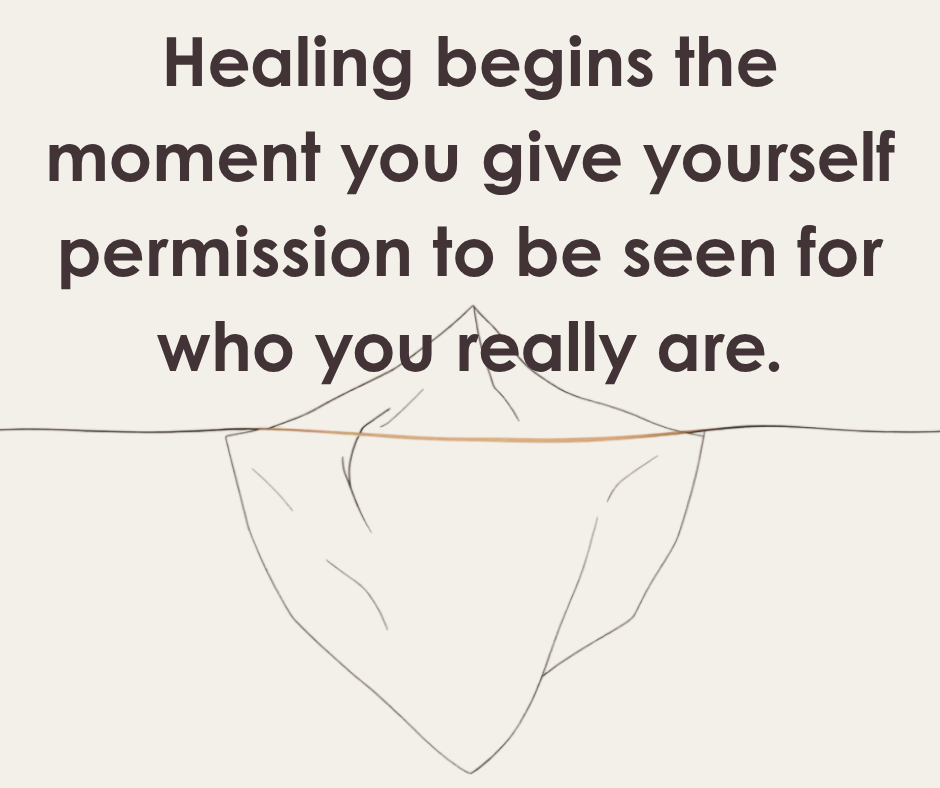
In our modern era, we often find ourselves caught in a whirlwind of “doing.” In the life of faith, it is easy to measure success by the metrics of activity: the number of groups we attend, the efficiency of our service, or the perceived “vibrancy” of our religious duties. However, a profound realization is beginning to take root in the hearts of many: our external impact is only as healthy as our internal walk with the Lord. There is a dangerous assumption in contemporary faith—that one can be spiritually mature while remaining emotionally stunted. To truly flourish, we must first descend into the “iceberg” of our own souls, understanding that guarding the soul is the essential prerequisite to any meaningful life of witness. This is further unpacked in the book “Emotionally Healthy Spirituality” by Pete Scazerro.
The Inseparable Link: Emotional and Spiritual Maturity
The core premise of a healthy life in Christ is that:
Spiritual maturity is impossible without emotional maturity.
Historically, this is not a new concept. As early as AD 500, Augustine noted in his Confessions that one cannot draw close to God while being far from one’s own self. He famously prayed, “Grant, Lord, that I may know myself that I may know thee”. Later, John Calvin opened his Institutes of the Christian Religion by noting that true wisdom consists of the knowledge of God and the knowledge of ourselves—two concepts so intertwined that it is difficult to determine which comes first.
Despite this historical wisdom, modern discipleship often fails because it focuses narrowly on information—Bible study and external serving—while omitting the vital command to love our neighbors as ourselves. This task requires deep self-awareness. When we ignore the emotional component of our lives, we risk remaining “spiritual infants,” merely going through the motions of Christian disciplines while holding onto destructive behaviors, hidden motives, and unforgiveness.
Ten Symptoms of an Unhealthy Soul
To begin the process of “looking beneath the surface,” we must be able to recognize the indicators of an emotionally unhealthy spirituality. These symptoms often plague the believer, yet they frequently go unaddressed because they are hidden under a veneer of religious performance.
- Using God to run from God: This occurs when we use religious activities, busyness, or “doing God’s work” to escape personal pain or relational tension. We might pray for God to do our will rather than surrendering to His, or use a packed church schedule to avoid a difficult marriage.
- Ignoring difficult emotions: Many treat anger, sadness, or fear as sins to be suppressed rather than acknowledging them as parts of our God-given humanity through which He speaks. Because humans are made in the image of God, our capacity to feel is an essential part of our humanity.
- Dying to the wrong things: We often misunderstand self-denial by killing off God-given desires and healthy pleasures—like art, nature, or friendship—while failing to put to death actual sins like self-protectiveness, judgmentalism, and defensiveness.
- Denying the past’s impact on the present: There is a common assumption that being “born again” means your past is completely erased. However, spiritual maturity requires looking back to break free from destructive generational patterns and understanding how our family of origin shapes our present behavior.
- Dividing life into “secular” and “sacred” compartments: This involves confining God to “Christian activities” while living a materialistic, self-centered lifestyle in everyday areas like work, shopping, and money.
- Doing for God instead of being with God: We fall into this trap when we allow our identity and worth to become tied to our religious performance and productivity rather than being anchored in God’s unconditional love.
- Spiritualizing away conflict: This is the tendency to avoid disagreements and sweep tensions under the rug in the name of “peace”. In contrast, Jesus often disrupted false peace to bring true biblical reconciliation.
- Covering over brokenness, weakness, and failure: Many feel a heavy pressure to appear spiritually “together” and strong, which denies the biblical reality that every hero of faith was deeply flawed and dependent on grace.
- Living without limits: This is characterized by forgetting that we are human beings rather than God, leading us to ignore physical and emotional boundaries by trying to serve everyone and do everything until we reach burnout.
- Judging the spiritual journeys of others: We find ourselves preoccupied and bothered by the faults of those around us while remaining blind to the massive spiritual and emotional logs in our own eyes.
By acknowledging these symptoms, we create a space for grace. If you are struggling emotionally, it does not mean you are weak spiritually; it means you are inviting God into the hidden 90% of your soul.
A Tale of Two Kings: The False Self vs. the True Self
To understand the danger of emotional blindness, we can look to the life of King Saul. Saul was a leader who appeared “highly religious” on the outside but was “emotionally and spiritually hollow”. When commanded by God to act, Saul succumbed to the pressure of his men and only partially obeyed. When confronted, he attempted to “spiritualize” his disobedience, claiming his actions were for the sake of religious sacrifice.
Saul’s tragedy was his total lack of self-awareness; he was unaware of his internal motivations, specifically his fear of people and his desperate need for approval. He used religious activity as a “shield” to hide a heart disconnected from God. This is the essence of the “False Self,” a persona built on three cultural illusions: “I am what I do” (performance), “I am what I have” (possessions), and “I am what others think” (popularity). When we live out of this False Self, we become defensive, easily offended, and prone to people-pleasing.
In contrast, King David models “Emotionally Healthy Spirituality“. The Psalms reveal a man willing to engage with a raw range of emotions—grief, outrage, and joy. David did not wear a mask; he even turned his deepest confessions of failure into corporate songs of repentance. A pivotal moment in David’s life occurred when he faced Goliath. While others tried to dress him in heavy royal armor that did not fit, David rejected it, saying, “I cannot go in these, because I am not used to them”. He chose to stay grounded in his authentic identity. To move toward our “True Self” in Christ, we must have the courage to take off the “armor” of the world—the external masks of performance and status.
The Way Forward: Slowing Down and “Being”
The antidote to a superficial, “Saul-like” life is a commitment to “Contemplative Spirituality“. This requires a radical shift from “doing” to “being” with Jesus. Our “doing” for God must flow from our “being” with Him. Too often, we relate to God while busily “on the run” or live vicariously off other people’s spirituality.
We must intentionally slow down to be with God. This involves practical steps such as:
- Silence and Solitude: Stopping the constant “running” to sit quietly with God and allow what is beneath the surface to emerge.
- The Biblical Sabbath: A 24-hour period of rest, reflection, and delighting in God, setting aside work and chores to guard the soul.
- Deep Engagement with the Word: Allowing the Scripture—which is “alive and active”—to penetrate our hearts and judge our hidden thoughts and attitudes.
Conclusion: An Invitation to Authenticity
The message is clear: do not settle for a “tip of the iceberg” spirituality. God is not interested in religious masks or tireless performance; He desires a heart that is honest, vulnerable, and deeply connected to Him.
As we guard our souls through rest, the Word, and self-awareness, we find the strength to guide others. Let us be a people who value emotional health as a reflection of the image of God. By taking off the ill-fitting armor of the world and stepping out in the simple truth of who we are in Christ, we will find that God has truly given us everything we need for a godly life. The transformation of our world begins with the deep, quiet work of the Spirit within our own souls.